


Warpath: Ace Shooter
4.111.93K Reviews
App Specs
- Version
- 14.30.01
- Updated On
- License
- Free
- Downloads
- 10,000,000+
- Developer
- LilithGames
- Categories
- Strategy
- Platform
- Android, iOS
Screenshots
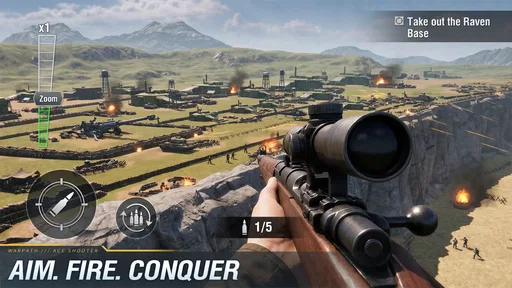
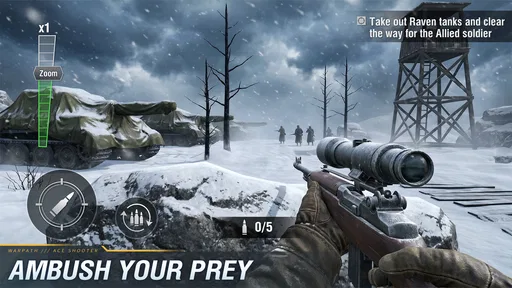
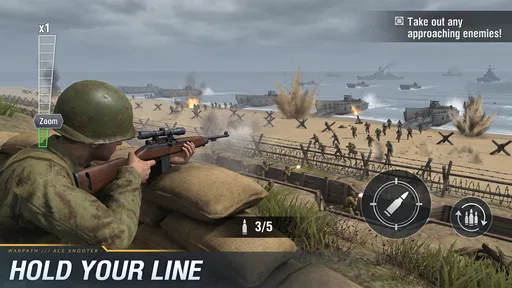
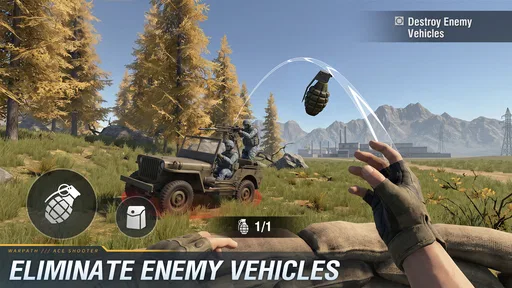
 Analysis by AppCompare
I tend to think of Warpath: Ace Shooter as a game that works best when its tactical decisions have your attention, rather than as something to hand around casually between people. That distinction matters in a household: it can be fun to talk through a mission together, but progress and choices belong to the person playing. If you enjoy military strategy and can give a session your focus, LilithGames’ free strategy game has an appealing mix of commanding forces and getting involved in the action.
Sharing the screen without sharing an account
A realistic way to enjoy it with someone at home is to take turns discussing a mission: one person suggests which units to use, and the other makes the decisions on screen. That can make the tactical side more social without assuming the game provides a shared mode or household account tools. I’d treat the device and the game profile as belonging to one player unless you have deliberately arranged otherwise; swapping users can make it unclear whose progress or choices are being made.
This is a better fit for a short, focused session than for a game passed around in the middle of a busy evening. Real-time decisions can be harder to follow when someone else is using the device, and interruptions may pull attention away from what is happening. If a child wants to watch, I’d first consider whether the military theme suits them, then keep the session within an age-appropriate setting rather than treating a Teen label as a personal recommendation for every family.
Set expectations before the first session
The opening tutorial helps a new player get oriented, but I wouldn’t assume that understanding the basic controls means every later decision will be obvious. A useful household boundary is to agree who is playing before opening the game, especially if the device is shared. That simple habit avoids accidental decisions made by a curious onlooker and gives the player space to learn the unit roles at their own pace.
It is free to download, but it includes optional in-app purchases, with individual items ranging from $0.99 to $199.99. That is worth discussing before a younger player uses a shared payment setup. I would make the distinction clear: free access does not mean every in-game purchase is free. The practical trade-off is straightforward—someone who wants to play without spending should pay attention to purchase prompts and keep the household’s payment expectations clear.
The game is rated Teen, so I’d use that as a starting point for an age conversation, not as a substitute for knowing the player. Its war setting, battlefield action, and military framing are central to the experience. A younger child looking for gentle, low-conflict play would probably be happier with a different kind of strategy game; a teenager interested in military tactics may be more comfortable with the theme.
First Impressions: Setting the Stage
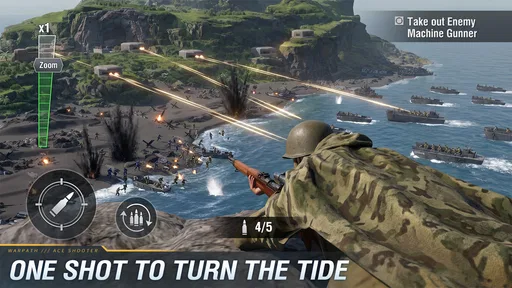
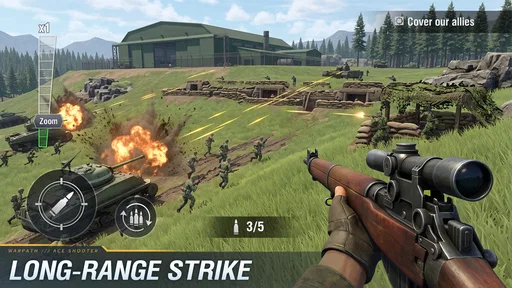
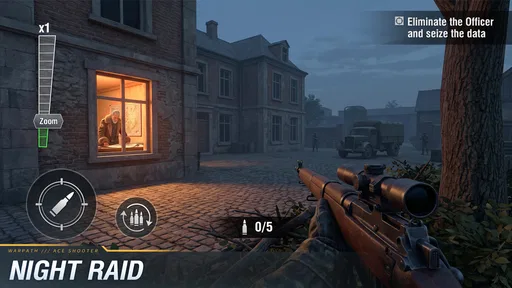
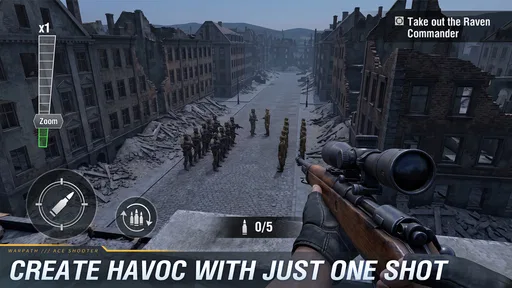
As soon as you fire up the game, you're greeted with some seriously impressive graphics. The developers didn’t skimp on the visual details, that’s for sure. From the meticulously designed landscapes to the historically inspired units, it’s clear a lot of love went into crafting this world. It’s like stepping into a wartime strategy board game, but way cooler.
Worth Reading Before You Choose

EA SPORTS FC Mobile 26 Is a Bigger Football Game, but It Takes Time

Flipboard Shows What News Apps Must Do Beyond the Feed

Switching to Android Auto Means Rethinking Your Driving Routine

Google Calendar Makes a Crowded Week Easier to Manage

Ludo King Makes the Most of the Minutes Between Plans

Baby Panda World Brings Quick Play to Modern Phones, but Its Game Library Feels Busy
The initial setup is pretty straightforward. You get a brief tutorial that eases you into the mechanics without overwhelming you. I appreciated this because, let's face it, nobody likes jumping into a game and having no idea what’s going on. Plus, the tutorial is interactive, so you get to learn by doing, which is always a bonus in my book.
Gameplay: Strategy Meets Action
Now, onto the meat and potatoes: the gameplay. Warpath: Ace Shooter combines real-time strategy with tactical shooter elements. You're not just sitting back and watching the action unfold. Nope, you’re right in the thick of it, commanding your troops and making split-second decisions.
One of the things that stood out to me was the variety of units you can control. Whether it’s infantry, tanks, or artillery, each unit has its own strengths and weaknesses. This means you need to be strategic about how you deploy your forces. It’s like a game of chess, but with explosions and battle cries.
The missions are diverse and challenging. You’ll find yourself capturing territory, defending key positions, and coordinating attacks across different fronts. It keeps the gameplay fresh and exciting, as you’re constantly having to adapt your strategies on the fly. And trust me, nothing beats the satisfaction of outsmarting the enemy and pulling off a flawless victory.
Making tactical play work in everyday bursts
I find this kind of game more rewarding when I start a session with one clear aim instead of tapping around without a plan. For example, if I have a few quiet minutes after dinner, I can focus on a mission objective and watch how my unit choices affect the result. When I have more time, I can think about how different forces complement one another. The useful habit is to treat each attempt as a chance to learn a specific thing—whether a position needs stronger defense or an attack benefits from support—rather than changing every decision at once.
That approach also helps when the action feels busy. I’d pause mentally before committing to a move and ask what the unit is meant to accomplish: hold ground, pressure a target, or support another force. It sounds simple, but it gives the battlefield a readable structure. Instead of judging a unit only by how dramatic it looks, I pay attention to whether it suits the job I’m asking it to do. That makes the strategy feel more deliberate and helps a newcomer avoid treating every encounter as a race to attack.
Compared with a slower, turn-based strategy game, the real-time pace asks for quicker attention and can be less forgiving if you are distracted. Compared with a pure action shooter, it asks you to think about force composition and positioning rather than relying only on reflexes. That hybrid is the main appeal, but also the main compromise: people who want leisurely planning may prefer turn-based play, while people seeking uninterrupted direct action may find the commanding layer gets in the way.
Sound and Music: Immersive Experience
Let’s talk about the sound design for a moment. The game does an excellent job of immersing you in its world through its audio. From the thundering booms of artillery fire to the tense background music that ramps up the suspense, every sound adds to the overall atmosphere.
The voice acting deserves a shout-out too. The characters you encounter throughout your campaigns are brought to life with compelling voiceovers. It adds a layer of depth to the story and makes the missions feel personal. It’s like being part of an epic war movie, with you as the star commander.
Keeping sessions comfortable on a shared device
All that audiovisual intensity is part of the appeal, but it may not suit every moment. If I’m playing near someone who is studying, resting, or simply not in the mood for battle sounds, I’d lower the device volume or choose another time. That is a practical consideration rather than a special game feature: the dramatic soundscape can make a quiet room feel much less quiet.
On a small screen, I’d also avoid letting someone else’s conversation compete with a tactical moment. If a household member is helping with suggestions, it works better to agree on a simple plan before the action gets hectic, then let the person holding the device execute it. Otherwise, a cooperative conversation can turn into several voices calling out different choices at once. The game’s appeal is making decisions, so leaving room for the player to think is part of making shared viewing enjoyable.
Customization and Progression
Another aspect I really enjoyed is the customization options. As you progress through the game, you can upgrade your units and improve their skills. It adds a nice layer of depth because you can tailor your army to suit your playstyle. Whether you prefer a brute force approach or a more tactical, stealthy strategy, the choice is yours.
The progression system is satisfying, with plenty of rewards to keep you motivated. Unlocking new units and abilities feels rewarding, and it keeps you coming back for more. Plus, the game regularly updates with new content, so there’s always something new to explore.
Progression choices that reward patience
One trade-off with upgrades is that it can be tempting to improve whatever is available immediately, even when a different unit better supports the way you actually play. I’d first notice which kinds of missions I enjoy and which units I rely on, then make upgrades with that preference in mind. This is more useful than trying to build an army that does everything equally well, particularly for someone still learning what each role contributes.
Progression also gives the game a longer horizon than a one-off battle. That can be motivating, but it means the experience is not ideal if you only want a self-contained match with no ongoing development. If you like seeing a force become more capable over time, the upgrades provide a reason to return. If you dislike systems that ask for repeated play to build momentum, a compact tactics game with discrete scenarios may be a better match.
The game is free, while optional purchases can change how a player approaches progression. I’d set a personal spending limit—or simply decide not to buy anything—before playing, rather than making that choice in the middle of an exciting moment. For a shared device, I’d make sure the person playing understands that purchase prompts involve real spending. It’s an easy boundary to establish and avoids confusing progression rewards with paid items.
Who will enjoy the campaign, and who may not
I’d recommend it most to someone who likes military settings, enjoys comparing unit roles, and wants action that still leaves room for tactical choices. It can also suit a player who enjoys gradually shaping an army rather than starting fresh in every match. The mixture of command decisions and battlefield activity gives strategy fans something more immediate than a purely abstract board-like game.
I’d be more cautious recommending it to someone who wants a calm, casual game to dip into while multitasking. The real-time elements reward attention, and the war theme is not a universal fit. It may also disappoint a player who wants a shooter focused entirely on direct control, or a strategy fan who prefers to consider every move at leisure. The best reason to try it is not simply that it is popular, but that this particular blend sounds enjoyable to you.
Warpath has an average rating of 4.1 from around 470,000 ratings, with over 10 million installs, which suggests it has reached a broad audience without making it the right choice for every player. It was released on November 9, 2020, and version 13.40.29 is listed for devices running Android 5.0 or later. LilithGames is the developer. Those details are useful when deciding whether an older compatible Android device can run it, while the Teen rating helps families judge the theme. I’d still check that the device has enough room and runs comfortably before settling into longer play.
For coordination at home, I’d keep the player’s progress and spending decisions distinct from the spectator’s advice. A friend or family member can help think through whether infantry, tanks, or artillery better suits a plan, but the person playing should make the final call. That keeps the experience collaborative without blurring who owns the choices. It also makes the game easier to discuss afterward: what worked, what felt exposed, and what the player wants to try next time.
Final Thoughts: Is It Worth Your Time?
So, is Warpath: Ace Shooter worth downloading? In my opinion, absolutely. It’s a well-crafted game that offers a unique blend of strategy and action. The graphics are stunning, the gameplay is engaging, and there’s enough content to keep you entertained for hours on end.
Whether you’re a strategy game veteran or a newcomer to the genre, there’s something here for everyone. Just be prepared to lose track of time as you get sucked into its gripping world. So gear up, commander, and get ready to lead your troops to victory!
A household verdict
My household recommendation is to treat this as one player’s ongoing strategy game, with others welcome to watch or offer ideas when invited. That arrangement respects account boundaries without assuming any special family controls, and it keeps purchases and progression decisions with the person responsible for the game. If a teenager enjoys military tactics and can focus on real-time play, it could be a good fit; for a younger child, a shared-device game with a gentler theme would be the safer pick.
For my own choice, I’d download it when I want a visually rich military strategy game that asks me to command rather than merely react. I’d skip it when I want quiet, turn-based planning, a purely reflex-driven shooter, or a low-conflict game for mixed ages. That is the fairest way I can put it: Warpath offers a compelling tactical-action mix, but it works best when the theme, pace, and spending boundaries suit the person actually playing.
Pros
- Engaging real-time strategy elements.
- High-quality graphics and sound.
- Diverse range of units and upgrades.
- Frequent updates and events.
- Strong community and support.
Cons
- Requires consistent internet connection.
- In-app purchases can be pricey.
- Complex for beginners to grasp.
- Battery drain on older devices.
- Limited offline play options.
FAQs for Warpath: Ace Shooter
What is the main objective of Warpath: Ace Shooter?
Warpath: Ace Shooter is a strategic war game where players build and lead armies to conquer territories. The main objective is to expand your base, train units, and engage in tactical battles against enemies. Players must strategize to defeat opponents, utilize resources efficiently, and form alliances to dominate the battlefield.
Is Warpath: Ace Shooter free to play?
Yes, Warpath: Ace Shooter is free to download and play. However, it includes in-app purchases that allow players to buy items, resources, and enhancements. While spending money can accelerate progress, players can enjoy the game and advance through strategic planning without making purchases.
What types of units are available in Warpath: Ace Shooter?
Warpath: Ace Shooter offers a diverse range of units, including infantry, tanks, and artillery. Each unit type has unique strengths and weaknesses, requiring players to strategically deploy them in battles. Upgrading and customizing units is crucial for improving their effectiveness and adapting to different combat scenarios.
Can Warpath: Ace Shooter be played offline?
No, Warpath: Ace Shooter requires an active internet connection to play. The game features real-time multiplayer battles and online events, which necessitate connectivity. Players need a stable internet connection to enjoy all the game's features and compete in global rankings.
How does the alliance system work in Warpath: Ace Shooter?
The alliance system in Warpath: Ace Shooter allows players to join forces with others to enhance their strategic capabilities. By joining an alliance, players can participate in cooperative missions, share resources, and engage in alliance wars. Collaborating with alliance members can provide strategic advantages and support during battles.


